- Contact Us Now (888) 883-6588 TAP TO CALL


















Pre-Existing Conditions And California Workers’ Compensation Claims: What Still Counts


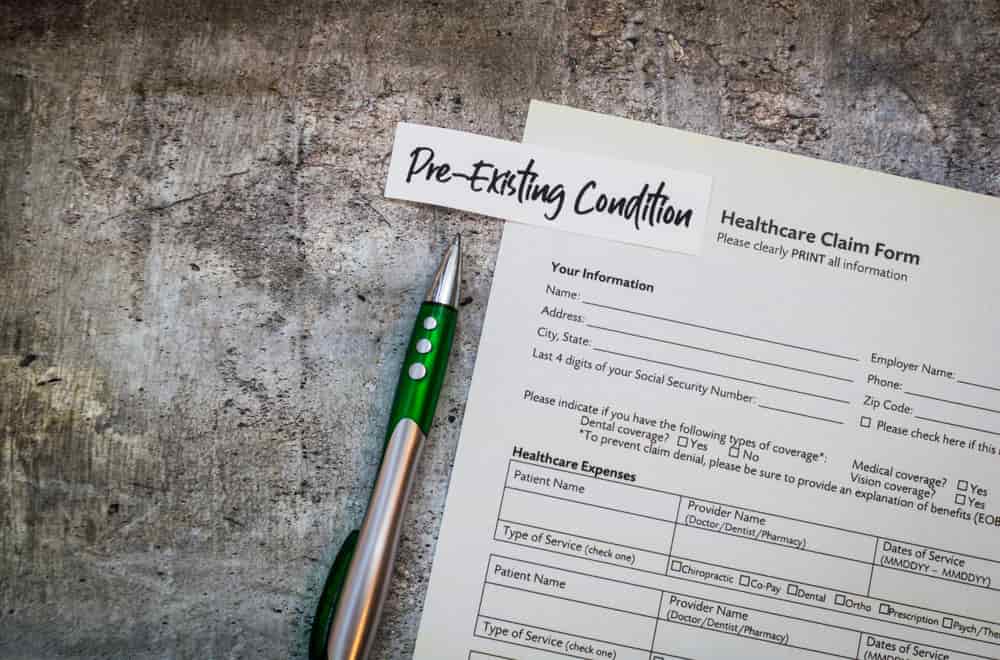
Pre-existing medical conditions can make California workers’ compensation claims confusing. Many workers think a previous injury means they cannot file a claim, but California law understands that work can make existing conditions worse. If your job makes your symptoms worse or causes new disability, you may still qualify for benefits. These cases can be complicated, especially when insurance companies try to blame symptoms on old injuries instead of work. California law sets clear rules for deciding if a claim with a pre-existing condition is covered.
California Labor Code § 3208 recognizes that an injury is any harm that happens because of your job. This includes making a pre-existing condition worse. Judges and courts look at whether your work made your condition worse. If your job played a part in your disability, you may still get benefits, even if you had a previous condition.
Aggravation Of Pre-Existing Conditions Under California Law
California workers’ compensation law understands that work can make a pre-existing condition worse. California Labor Code § 4663 lets doctors and courts split responsibility between work-related and other causes. This does not mean you automatically lose your right to all benefits. Instead, doctors must carefully decide how much of your disability is due to your job.
California Labor Code § 4664 further addresses apportionment involving prior disability. This statute allows employers to limit liability for disabilities that existed before a workplace injury. However, employers remain responsible for any new or aggravated injury caused by employment. As a result, even when a prior injury exists, workers’ compensation benefits may still apply to new disability caused by workplace factors.
These cases often require medical opinions that address causation. Physicians evaluate whether work activities aggravated symptoms or accelerated the condition. Medical documentation plays a critical role in determining eligibility.
Common Pre-Existing Conditions In Workers’ Compensation Claims
Pre-existing conditions arise in many types of workers’ compensation claims. Back injuries, joint problems, repetitive strain injuries, and degenerative conditions often appear in claims involving pre-existing medical issues. These conditions may worsen over time, especially when job duties involve repetitive motion or physical strain.
California Labor Code § 3208.3 also addresses psychiatric injuries. Workers with pre-existing mental health conditions may still qualify for benefits if employment contributes to worsening symptoms. This statute requires that employment be a predominant cause of psychiatric injury. These claims often require additional documentation and medical evaluation.
Pre-existing conditions do not automatically disqualify a claim. Instead, courts evaluate whether employment contributed to disability.
Medical Evidence And Causation Requirements
Medical evidence plays a central role in claims involving pre-existing conditions. Qualified medical evaluators or treating physicians provide opinions regarding causation. California Labor Code § 4062.2 outlines procedures for medical evaluations when disputes arise.
Physicians review medical history, job duties, and diagnostic testing. These evaluations determine whether workplace factors aggravated an existing condition. When employment contributes to worsening symptoms, benefits may be awarded.
Medical evidence must address causation clearly. Ambiguous or incomplete medical opinions often lead to disputes. Proper documentation strengthens claims involving pre-existing conditions.
Apportionment And Disability Ratings
Apportionment is often a major issue in claims involving pre-existing conditions. California Labor Code § 4663 requires physicians to determine the percentage of disability caused by industrial and non-industrial factors. This process may reduce benefits but does not eliminate eligibility.
Permanent disability ratings often reflect apportionment findings. Even when apportionment applies, workers may still receive compensation for the portion related to employment. Understanding how apportionment works helps clarify expectations.
California law requires that apportionment be supported by substantial medical evidence. Unsupported conclusions may be challenged.
Employer And Insurance Carrier Defenses
Employers and insurers often argue that symptoms stem solely from pre-existing conditions. These defenses frequently arise in repetitive injury cases and degenerative conditions. California workers’ compensation law requires careful evaluation of these arguments.
Under California Labor Code § 3202, workers’ compensation law is interpreted liberally in favor of injured workers. This principle supports claims involving aggravation of pre-existing conditions when employment contributes to disability.
Legal advocacy often becomes important when disputes arise regarding causation and apportionment.
Importance Of Timely Reporting And Documentation
Timely reporting remains essential in claims involving pre-existing conditions. California Labor Code § 5400 requires injured workers to report injuries promptly. Documentation of worsening symptoms helps establish causation.
Medical treatment records also support claims. Consistent documentation strengthens claims involving aggravation of pre-existing conditions.
When Pre-Existing Conditions Still Qualify For Benefits
Pre-existing conditions still qualify for benefits when employment contributes to disability. California law recognizes that work injuries often worsen existing conditions. Eligibility depends on medical evidence and legal analysis.
Workers’ compensation benefits may include medical treatment, temporary disability benefits, and permanent disability compensation. These benefits remain available when employment aggravates a pre-existing condition.
Frequently Asked Questions
Can A Pre-Existing Condition Still Qualify For Workers’ Compensation Benefits?
Yes. California Labor Code § 3208.1 recognizes that aggravation of a pre-existing condition may qualify as a compensable injury. When employment contributes to worsening symptoms, benefits may apply.
What Is Apportionment In California Workers’ Compensation Claims?
Apportionment under California Labor Code § 4663 divides disability between industrial and non-industrial causes. Even with apportionment, compensation may still be available.
Does A Prior Injury Prevent A New Claim?
No. A prior injury does not prevent a claim. California law allows benefits when employment aggravates a pre-existing condition.
How Are Psychiatric Pre-Existing Conditions Handled?
California Labor Code § 3208.3 addresses psychiatric injuries. Employment must be a predominant cause of disability.
What Role Does Medical Evidence Play?
Medical evidence is critical. Physicians must evaluate causation and determine whether employment contributed to disability.
Call Law Office of Joseph Richards, P.C. For A Free Consultation
Pre-existing conditions often complicate California workers’ compensation claims. Law Office of Joseph Richards, P.C. helps injured workers pursue benefits when employment aggravates existing conditions. Legal guidance may help strengthen claims and address disputes.
For a free consultation, contact our California workers’ compensation attorney at (888) 883-6588 to receive your free consultation. Law Office of Joseph Richards, P.C., represents injured workers throughout California and works to secure compensation for qualified claims.