- Contact Us Now (888) 883-6588 TAP TO CALL
















How To Find The Best California Workers’ Compensation Attorney For A Case


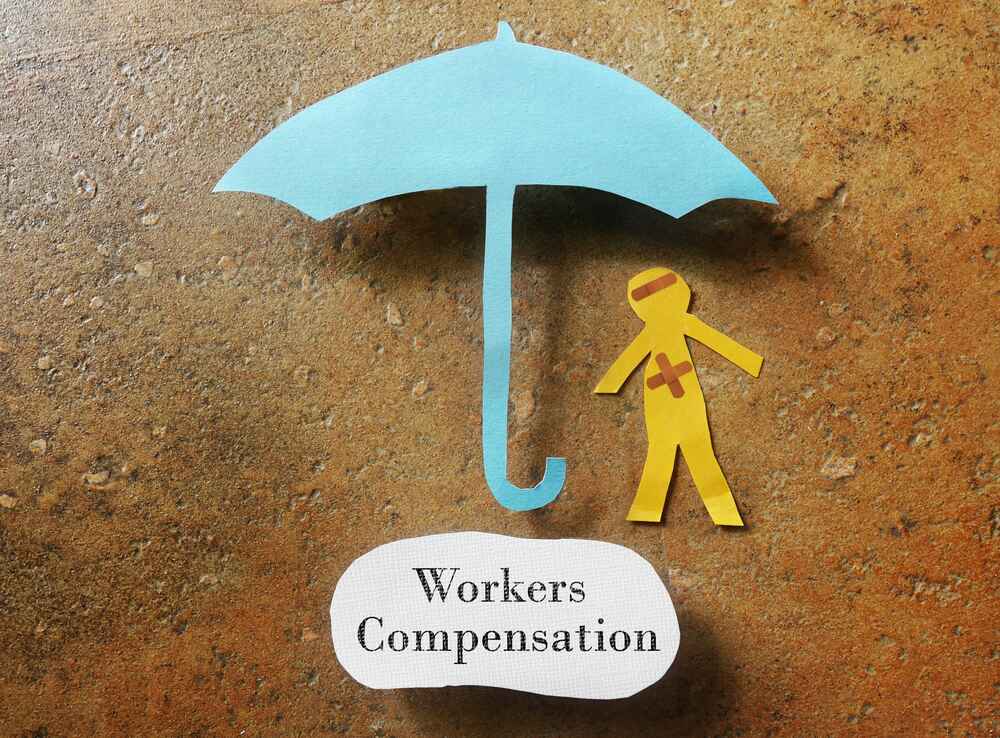
California workers’ compensation law provides critical protections for employees injured on the job. Workplace injuries may lead to medical bills, lost wages, and long-term disability. Many injured workers rely on workers’ compensation benefits for financial stability. However, insurance carriers often dispute claims, delay benefits, or deny coverage. California law allows injured workers to seek legal representation to protect their rights and pursue full benefits.
Finding the best California workers’ compensation attorney is important when disputes arise. Workers’ compensation cases often involve complex medical evidence, strict deadlines, and procedural requirements. California law contains detailed statutes governing eligibility, benefits, and appeals. A skilled attorney may evaluate claims, gather medical evidence, and pursue benefits under California workers’ compensation law. Proper legal representation often improves outcomes and helps injured workers obtain necessary benefits.
Understanding California Workers’ Compensation Law
California workers’ compensation law appears primarily under California Labor Code Sections 3200 through 6002. These statutes establish a no-fault system providing benefits for employees injured during employment. Under California Labor Code Section 3600, workers may qualify for benefits regardless of fault, provided the injury arises out of and occurs in the course of employment.
Workers’ compensation benefits typically include:
- Medical treatment
- Temporary disability benefits
- Permanent disability benefits
- Supplemental job displacement benefits
- Death benefits for surviving family members
California Labor Code Section 4600 requires employers to provide medical treatment reasonably required to cure or relieve the effects of workplace injuries. California Labor Code Section 4650 governs disability payments and deadlines. Failure to comply with statutory requirements may result in penalties.
Workers often encounter disputes regarding eligibility, disability ratings, and medical treatment. Legal representation often becomes necessary when insurance carriers challenge claims.
When Hiring A California Workers’ Compensation Attorney Becomes Important
Workers’ compensation claims sometimes appear straightforward. However, many claims become complicated by disputes with insurance carriers. Denial of medical treatment, delayed payments, and low disability ratings frequently occur.
California Labor Code Section 4060 governs disputes regarding injury claims. When disputes arise, medical evaluations become necessary. Qualified Medical Evaluators often play a critical role. Attorneys frequently assist with selecting evaluators and presenting medical evidence.
California Labor Code Section 5814 allows penalties when insurance carriers unreasonably delay benefits. A workers’ compensation attorney often evaluates whether delays justify penalties.
Cases involving permanent disability or long-term treatment frequently require legal representation. Attorneys often assist with negotiating settlements and ensuring fair compensation.
Factors To Consider When Choosing A California Workers’ Compensation Attorney
Selecting legal representation involves careful consideration of several factors. Experience handling workers’ compensation claims is important. California workers’ compensation law contains unique procedures and administrative rules.
Communication also plays a significant role. Injured workers benefit from attorneys who explain claim status and procedural developments. Workers’ compensation claims often take months or years to resolve.
Resources and support staff also matter. Complex cases require medical records, vocational evidence, and expert opinions. Attorneys with adequate resources often handle claims more effectively.
Fee structure remains another factor. California workers’ compensation attorneys typically work on contingency. California Labor Code Section 4906 governs attorney fees. Fees generally require approval by the Workers’ Compensation Appeals Board.
Common Workers’ Compensation Claim Disputes
Workers’ compensation disputes frequently arise in several areas. Insurance carriers often deny injury claims. Employers may dispute whether the injury occurred at work.
Medical treatment disputes also occur frequently. California Labor Code Section 4610 governs utilization review. Insurance carriers review treatment requests and may deny care.
Disability rating disputes often affect compensation amounts. California Labor Code Section 4660 governs permanent disability ratings. Medical evaluations determine impairment levels.
Delayed payments also create disputes. California Labor Code Section 4650 requires timely disability payments. Failure to provide timely payments may lead to penalties.
Importance Of Medical Evidence In Workers’ Compensation Claims
Medical evidence often determines the outcome of workers’ compensation claims. Physicians evaluate injury severity and disability. Medical reports influence disability ratings and treatment approvals.
California Labor Code Section 4062 governs disputes regarding medical determinations. Qualified Medical Evaluators often issue reports resolving disputes.
Attorneys frequently coordinate medical evidence and ensure compliance with statutory requirements. Strong medical documentation often improves claim value.
Appeals And Litigation In California Workers’ Compensation Cases
Denied claims often require appeals. The California Workers’ Compensation Appeals Board handles disputes. California Labor Code Section 5500 governs appeals procedures.
Workers may request hearings when benefits are denied. Attorneys present medical evidence and legal arguments. Judges evaluate claims and issue decisions.
Settlement negotiations often occur during litigation. Attorneys frequently negotiate settlements to resolve disputes.
Retaliation And Job Protection After Workplace Injuries
California Labor Code Section 132a prohibits retaliation against injured workers. Employers cannot terminate or discriminate against workers for filing claims.
Retaliation claims may include reinstatement, back pay, and penalties. Legal representation often becomes necessary when retaliation occurs.
Frequently Asked Questions About California Workers’ Compensation Attorneys
When Should An Injured Worker Hire A California Workers’ Compensation Attorney?
Hiring an attorney often becomes beneficial when claims become denied, delayed, or disputed. Attorneys also assist with permanent disability claims and settlement negotiations.
How Much Does A California Workers’ Compensation Attorney Cost?
California workers’ compensation attorneys typically work on contingency. California Labor Code Section 4906 requires approval of attorney fees by the Workers’ Compensation Appeals Board.
What Benefits Are Available Under California Workers’ Compensation Law?
Benefits may include medical treatment, disability payments, and vocational benefits. California Labor Code Sections 4600 and 4650 govern these benefits.
Can An Injured Worker Change Attorneys During A Claim?
California law allows injured workers to change attorneys. The Workers’ Compensation Appeals Board must approve attorney fees.
What Happens If A Workers’ Compensation Claim Gets Denied?
Denied claims may proceed to hearings. Workers may present medical evidence and legal arguments before administrative judges.
How Long Does A Workers’ Compensation Case Take?
Duration varies depending on injury severity and disputes. Some cases resolve quickly, while others take longer.
Can An Employer Retaliate For Filing A Workers’ Compensation Claim?
California Labor Code Section 132a prohibits retaliation. Workers may pursue additional claims if retaliation occurs.
Speak With A California Workers’ Compensation Lawyer
Workplace injuries often create financial and medical challenges. California workers’ compensation law provides protection, but disputes frequently arise. Legal representation may help injured workers obtain benefits and protect their rights.
Law Office of Joseph Richards, P.C. represents injured workers throughout California. Free consultations are available for workplace injury claims. Contact our California workers’ compensation lawyer at (888) 883-6588 to receive your free consultation. Representation remains available for injured workers throughout California.